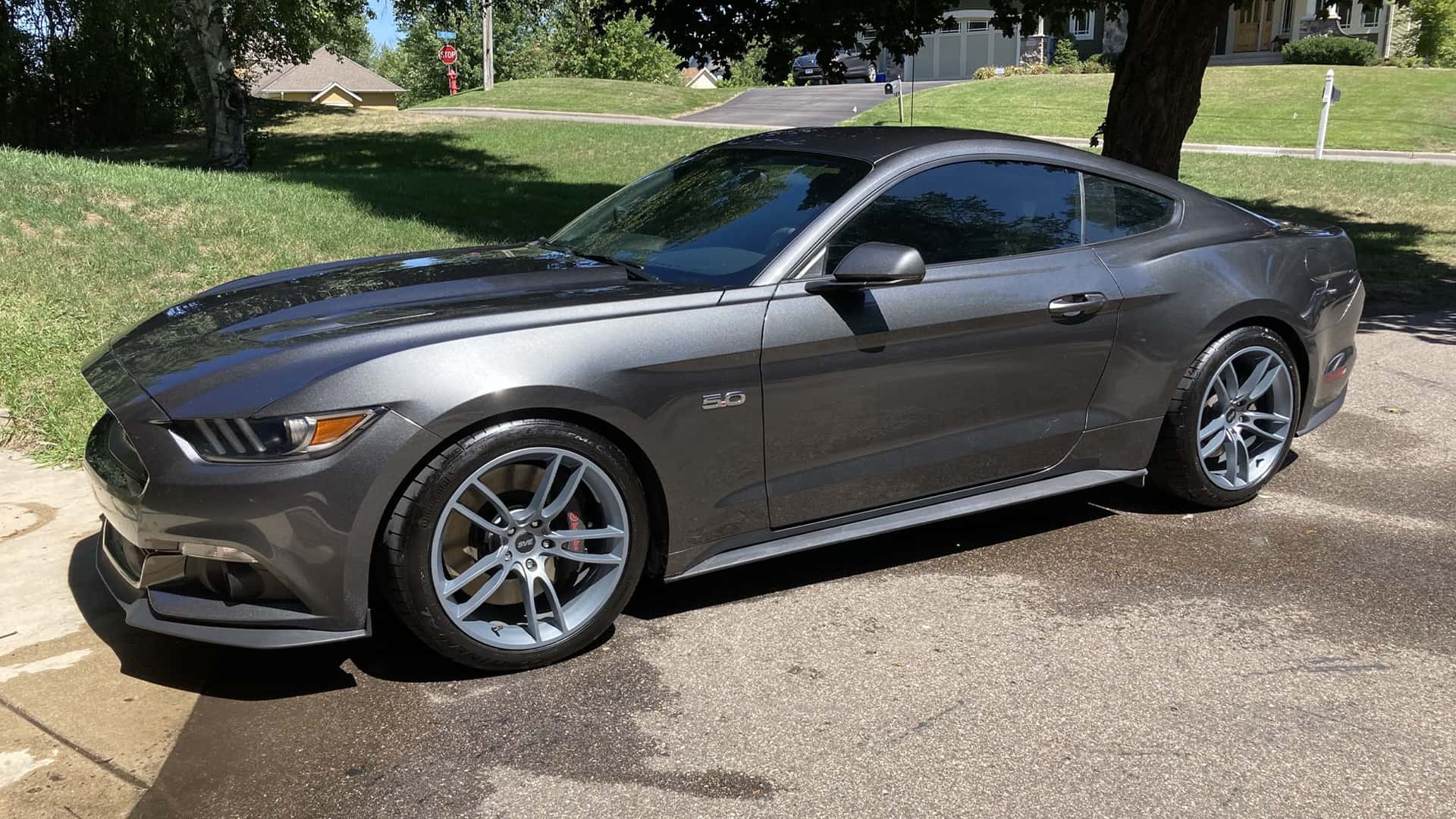

Buying a previously owned vehicle often feels confusing because coverage terms differ widely across sellers. Clear details about protection help balance trust, value pricing, and fairness. Knowing what support exists after purchase reduces stress and builds control over future repair costs. This guidance explains coverage forms, limits, duties, paperwork timing, exclusions, transfer rules, claims handling service access value checks, choices, renewal paths, and smart steps.
What does a vehicle warranty really protect?
A vehicle warranty protects selected systems against faults after purchase for a defined time. Coverage usually includes engine, transmission, steering, brakes, and electrical parts. It reduces repair risk while clarifying owner duties, service timing, claim steps, and exclusions. Understanding scope avoids disputes and surprises later, and supports better pricing discussions during purchase talks.
How can buyers plan costs wisely?
- Budget deductibles for routine service, possible uncovered repairs to avoid shocks.
- Choose coverage matching driving distance, ownership length, and risk comfort.
- Maintain records, logs, and receipts for smooth claims.
How can transfer rules affect resale value?
Transfer rules allow coverage to move to a new owner. Some plans permit easy transfer with fees. Others block it. Transferable coverage raises appeal trust resale prospects. That advantage can support stronger pricing when selling later.
When should an extended option be considered?
Extended options suit drivers planning long ownership, higher mileage, or complex vehicles. Compare cost versus likely repairs, reliability history, and usage patterns. Avoid overlap with existing coverage. A thoughtful choice can steady expenses and support predictable pricing.
What simple checks help avoid disputes?
Clear checks reduce disputes before purchase. Read terms, ask queries, record vehicle condition, verify service history, and confirm coverage start date. These steps align prospects, reduce friction, and keep pricing discussions grounded.
- Check contract names, dates, mileage, service rules, claim steps, exclusions, and transfer notes carefully before agreeing.
- Ask for written proof of coverage, provider contact, approved centers, and response time.
- Verify maintenance schedule records, receipts, and intervals to meet coverage duties.
- Inspect vehicle condition photos and notes to support future claims.
Thoughtful protection choices bring clarity and security. By matching coverage limits, exclusions, transfer rules documents, and claims steps with driving needs, owners avoid friction. Comparing options, maintaining records, choosing service centers, and budgeting deductibles leads to calm ownership. This approach aligns cost control with fairness, helps preserve value, supports confident decisions, and steady pricing through the vehicle life.