Defining the Golden Era
The golden age of American performance cars is usually defined as spanning the middle of the 1960s through the early 1970s. It was an era where automobile manufacturers were obsessed with speed, power and flashy design. Performance cars, and in particular, muscle cars were designed in such a way that they provided high horsepower but at a lower price which could be accessible to a large pool of drivers. Within this era lies the history of the legendary Mustang Boss 429, a model that stood out for its engineering excellence and racing pedigree. This period formed the basis of the image that is still associated with America as the high-performance cars leader.
The Rise of Muscle Cars
This golden age was characterised by the emergence of muscle cars. Makes started to install the strong V8 engines in mid-sized vehicles which formed a new type of car with a focus on the speed of acceleration and the performance of the car. This movement is said to have begun with the introduction of the Pontiac GTO. Shortly thereafter, other manufacturers caught the bandwagon, and competition and innovation in the automobile industry exploded.
Special Cult models that defined the age.
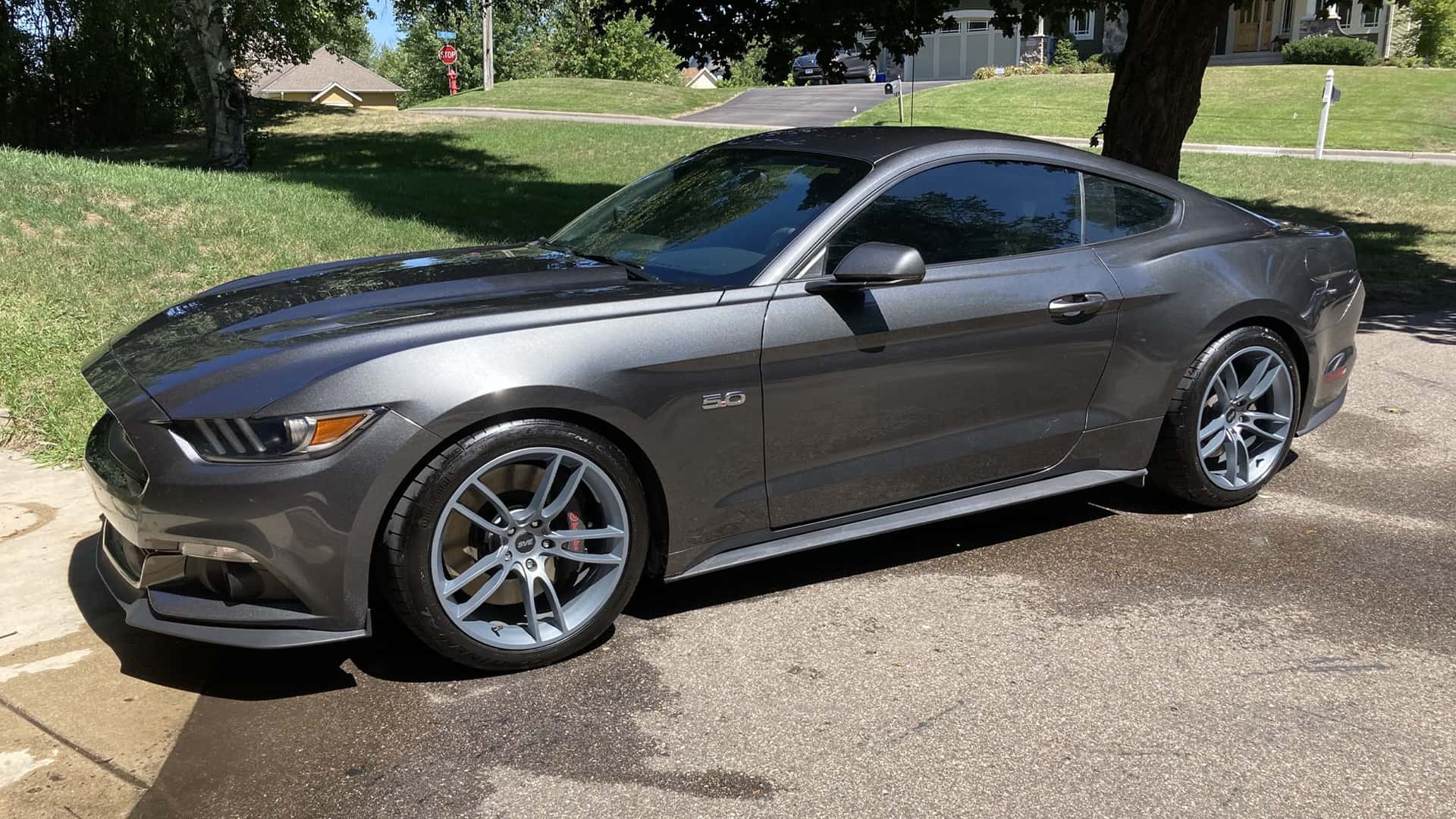
There were a few mythical models of this period that made a mark in the history of the era. The Ford Mustang was a sporty car with its impressive performance and was a cultural icon. In the same way, Chevy Camaro and Dodge Challenger won the interest of enthusiasts due to their aggressive designs and strong engines. These cars are not only a reflection of the time but also one that is taking shape in the current design of cars.
Intense Rivalry among car manufacturing companies.
The golden era was characterised by stiff competition among the American automakers. Automobile companies such as Ford, Chevrolet, and Dodge were continuously taking the performance to extreme levels in an effort to outshine each other. This competition brought about the creation of more powerful engines, new designs, and special high-performance models. The competition was beneficial to the consumers because they acquired faster and more advanced vehicles at competitive prices.
Cultural Influence and Notoriety.
During this period, American performance cars came to represent freedom, youth and rebellion. They were also being prominently featured in movies, television shows and music thus becoming even more popular. The possession of a muscle car was not necessarily about getting to the place it was a declaration of one’s identity and lifestyle. These cars still have cultural value to the fans worldwide.
Decline of the Golden Era
The golden era, however successful, ended in the early 1970s. There were increased government controls on emissions and safety, an increase in insurance premiums and the 1973 Oil Crisis pushing the automakers to focus on fuel economy. This iconic era was thus put to an end with the reduced production of the high-powered muscle cars.
Long-term Effect and Impact.
The golden age might not have lasted long but its effects on the auto industry have been enduring. The contemporary performance vehicles find inspiration in the designs and technology of the era. The modern muscle cars still maintain the legacy of the golden era as they are evidenced by their traditional looks and modern technology.
Conclusion
The history of the golden era of American performance cars is a unique and powerful period in the history of the automotive industry. Characterised by strength, creativity, and cultural values, it was a time that presented some of the most traditional cars of all time. The heritage of such cars is still inspiring today as well as decades after, and it is likely to influence the future of performance car design.