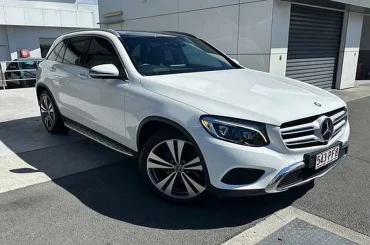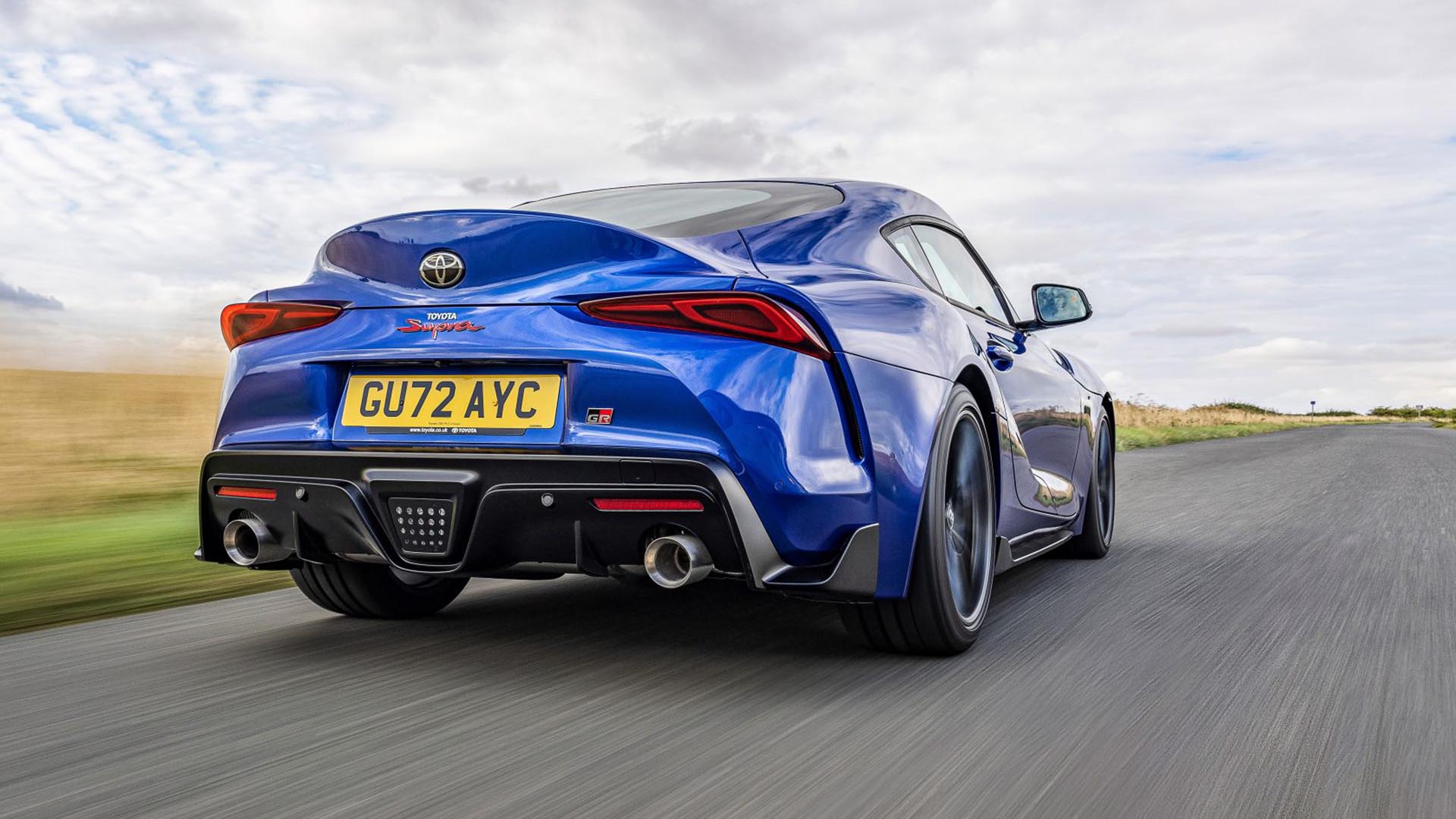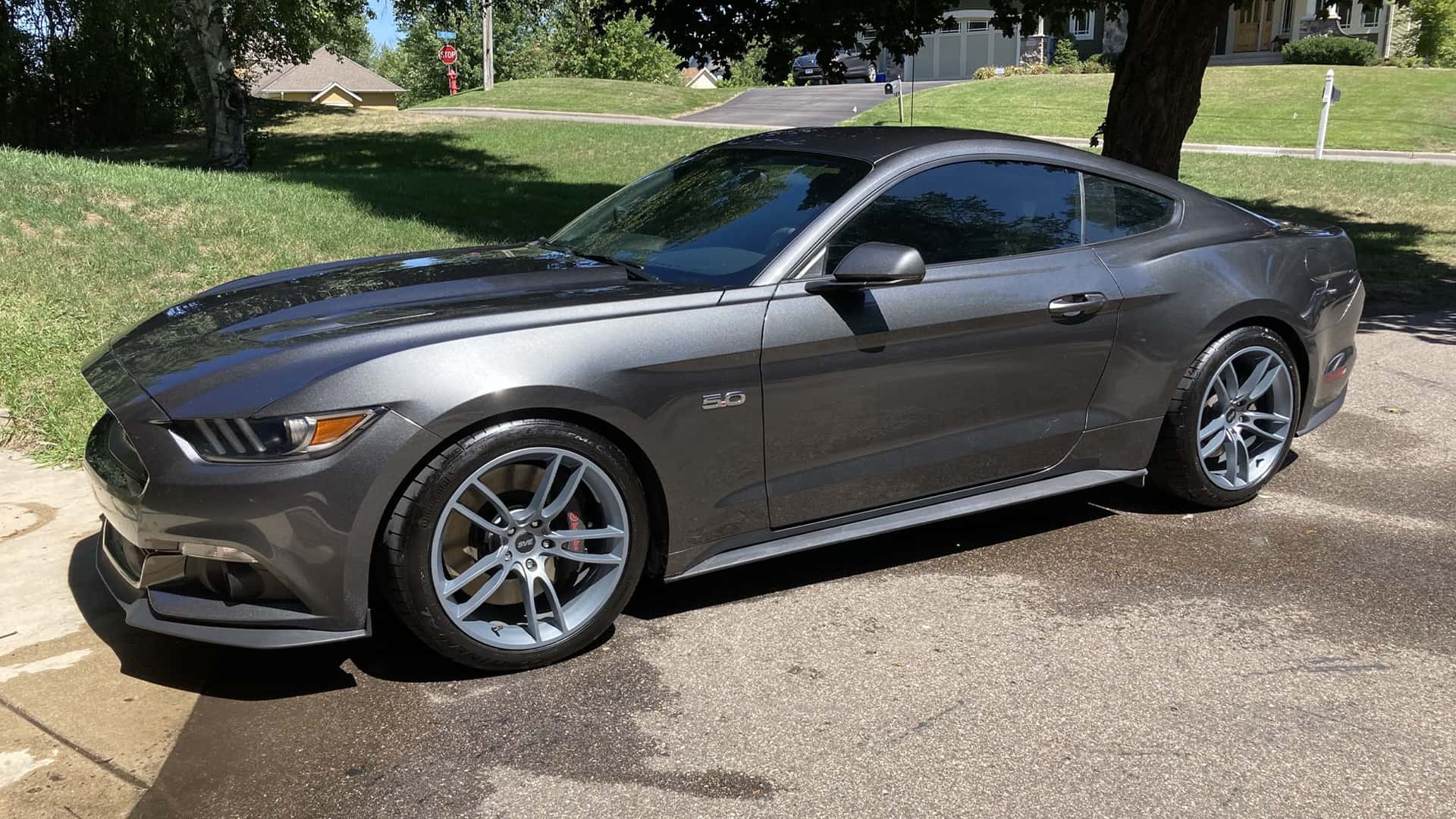
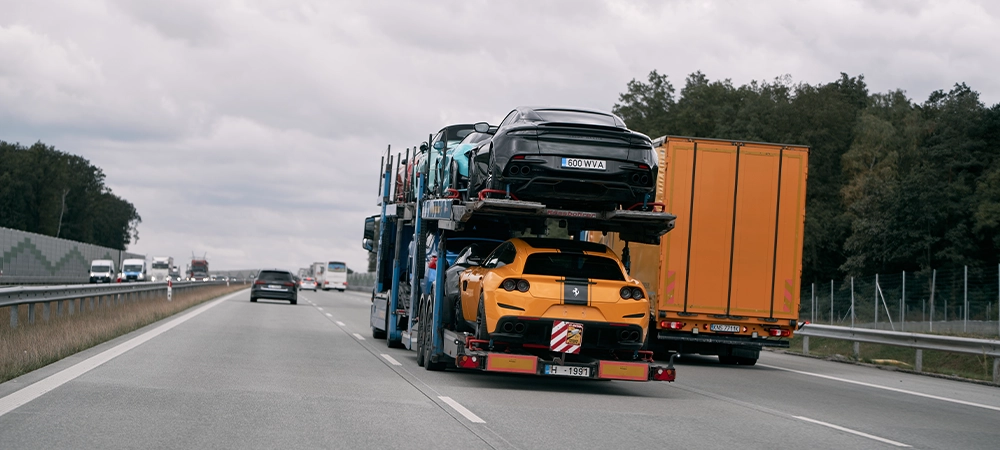
A luxury vehicle represents a different category of ownership than a standard passenger car. The financial investment is larger, the condition expectations are higher, and the consequences of a transport incident — a stone chip on a fresh ceramic coating, a scratch on a hand-painted panel, a wheel scuff during loading — are more significant both financially and in terms of the owner’s relationship with the vehicle.
The transport process for a luxury car is not fundamentally different from any other shipment. The same carriers, the same corridors, and the same documentation process apply. What changes is the level of care, the service choices, and the due diligence in selecting who handles the vehicle — and getting those right matters more when the vehicle in question is worth six figures.
Why Standard Open Transport Is Often the Wrong Choice
Open carrier transport is the default service type for the vast majority of vehicle shipments in Canada, and for good reason. It is widely available, cost-effective, and the method used to move new vehicles from manufacturer facilities to dealerships every day. For a standard passenger car, the risk profile is entirely acceptable.
For a luxury vehicle, the calculation shifts. Open carriers expose the vehicle to road debris at highway speeds for the full duration of the journey. A stone chip on the hood of a family sedan costs a few hundred dollars to repair and goes largely unnoticed. The same chip on a freshly detailed Mercedes-Benz S-Class or a Porsche 911 with a custom paint finish is a different problem — one that may require paint correction, touch-up work, or panel repainting that costs significantly more and disrupts a finish the owner paid considerable money to maintain.
Weather exposure on an open carrier during a Canadian winter or a rainstorm presents similar concerns. Road salt deposits that accumulate during a multi-day transit in February are manageable on a vehicle that will be washed routinely. On a luxury vehicle stored meticulously and detailed before a seasonal move, the same deposits represent a condition setback that the owner specifically chose transport to avoid. The argument for enclosed shipping on a high-end vehicle is not about risk aversion — it is about the standard of care being proportionate to the vehicle’s value and the owner’s expectations.
What Enclosed Transport Actually Provides
Enclosed transport eliminates the two primary condition risks of open carrier shipping: road debris contact and weather exposure. The vehicle travels inside a trailer with solid walls and a roof, isolated from the external environment for the full duration of the transit.
Within the enclosed category, there is a meaningful distinction between soft-sided and hard-sided trailers. Soft-sided enclosed carriers — trailers with canvas or fabric walls — provide protection from debris and most weather but are not fully sealed environments. Hard-sided enclosed trailers provide the highest level of isolation, with solid aluminum or steel construction that keeps the vehicle environment controlled regardless of external conditions. For luxury and exotic vehicles where any external exposure is unwelcome, hard-sided enclosed transport is the correct choice.
Loading on enclosed carriers typically uses lower-angle ramps or hydraulic lift systems that accommodate low ground clearance vehicles without the scraping risk that standard open carrier ramps present. Drivers who specialize in enclosed luxury transport are selected for their handling precision and their familiarity with the specific sensitivities of high-value vehicles. The service level difference between an experienced enclosed transport specialist and a standard multi-car carrier driver is meaningful and reflects in how the vehicle is treated from the first moment of loading. Luxury car shipping through an enclosed carrier with a demonstrated track record in high-value vehicle transport is the appropriate baseline for any vehicle in this category.
Insurance for Luxury Vehicles in Transit
The insurance question is more consequential for luxury vehicles than for standard ones because the gap between what a standard carrier policy covers and what the vehicle is actually worth can be substantial.
Most transport carriers carry cargo insurance with per-vehicle limits that are designed around the average vehicle value on their loads. A carrier whose typical shipment consists of midrange passenger vehicles may have cargo limits of $50,000 to $100,000 per vehicle. A luxury vehicle worth $200,000 or more sits entirely outside that coverage range. If the vehicle is a total loss during transit and the carrier’s cargo policy pays out at its limit, the owner absorbs the difference.
Enclosed carriers who specialize in high-value vehicles typically carry higher cargo insurance limits than standard open carriers — this is part of what justifies the premium rate and part of what the owner is paying for. Confirming the specific per-vehicle cargo limit before booking, and comparing it against the vehicle’s actual replacement value, tells you whether supplemental transit insurance is needed to close the gap.
Your existing auto insurance policy may also provide transit coverage. Luxury vehicle policies — particularly agreed value policies that pay a predetermined amount rather than depreciated market value — sometimes include coverage during commercial transport. Confirming this with your insurer before the vehicle ships means you know exactly what coverage exists and from which source before you need to rely on any of it.
Condition Documentation for High-Value Vehicles
The condition report process takes on heightened importance for a luxury vehicle because the baseline standard is more demanding. A vehicle arriving to a carrier in detailed, freshly polished condition is one where any new imperfection — however minor — will be visible and attributable.
Document the vehicle comprehensively before handover: photographs of every panel in good light, close-up images of any existing imperfections, and detailed shots of the wheels, glass, and any paint protection film or ceramic coating. Walk through the carrier’s condition report with the same level of attention. Do not accept a report that describes existing imperfections vaguely. Minor items on a luxury vehicle are repaired at luxury vehicle rates, and a claim that hinges on whether a specific scratch was present before transport is only resolvable if the pre-transport documentation addresses it clearly.
Selecting the Right Carrier for a Luxury Vehicle
The carrier selection process for a luxury vehicle deserves more care than for a standard vehicle. Not every carrier that offers enclosed transport has meaningful experience handling high-value vehicles, and the difference between one who does this regularly and one for whom a $200,000 car is an unusual booking is significant in ways that matter.
Ask carriers directly about their experience at your vehicle’s price point, their loading equipment, their cargo insurance limits, and their driver selection process for high-value loads. References and reviews from other luxury vehicle owners carry weight. Enthusiast communities for specific marques — forums and clubs for Porsche, Ferrari, Bentley, and others — have firsthand experience with which carriers handle their vehicles well on Canadian routes. That community knowledge is more reliable than marketing claims from carriers themselves. Car shipping across Canada for luxury vehicles is a service that experienced carriers handle regularly on all major corridors, and finding them through informed referral is worth the extra research time before committing to a booking.
Timing and Planning for Luxury Vehicle Moves
Enclosed carriers who specialize in high-value vehicles run less frequently on most Canadian routes than open carrier networks. Lead time requirements are accordingly longer — three to four weeks ahead of the desired pickup date is a sensible minimum on major corridors, and four to six weeks during peak periods when enclosed capacity is under greater demand.
Seasonal moves for luxury vehicles follow predictable patterns: summer cars going into winter storage, sports cars heading south for the snowbird season, collectibles moving to shows. Other owners are making similar moves on similar timelines, and enclosed carrier capacity tightens around these windows. The owners who book early get better scheduling options and the carriers with the strongest reputations in high-value transport. Auto transport planning for a luxury vehicle rewards advance preparation more visibly than standard vehicle shipping when the vehicle being protected is worth protecting carefully.
Frequently Asked QuestionsIs enclosed transport always required for a luxury vehicle?
Not by rule, but it is the appropriate choice for the vast majority of luxury vehicle shipments. The condition standards, insurance considerations, and loading requirements that apply to high-value vehicles consistently point toward enclosed service. The cost difference relative to the vehicle’s value and the owner’s expectations is small enough that it is rarely the decisive factor for owners who have thought through the comparison clearly.
How much more does enclosed transport cost compared to open carrier on a typical Canadian route?
The premium varies by route, carrier, and timing, but enclosed transport on major Canadian corridors typically costs between 40 and 100 percent more than open carrier service for the same vehicle and route. On a long-haul move for a vehicle worth $150,000 or more, that premium represents a small fraction of the vehicle’s value and a reasonable cost of maintaining the standard of care the vehicle merits.
What should I do if the carrier’s cargo insurance limit is lower than my vehicle’s value?
Confirm the gap and arrange supplemental transit insurance to cover the difference before the vehicle ships. Supplemental transit insurance is available from third-party insurers and from some carriers directly. The cost is modest relative to the coverage it provides, and arranging it before the vehicle is in transit is the only time the option is available.