A tractor is often the single most important piece of equipment on a farm, serving as the power source for everything from tillage and planting to mowing and loader work. Choosing the wrong tractor, whether underpowered for the job or unnecessarily expensive for the operation’s needs, can affect productivity and finances for years to come. Working through a few key considerations before buying helps ensure the tractor matches the farm’s actual requirements rather than simply following the biggest or cheapest option available.
Whether you are managing a small homestead or a large commercial enterprise, investing in reliable equipment like Kubota tractors can provide the dependable horsepower and versatile utility needed to handle everything from daily loader work to intensive field cultivation.
Matching Horsepower to Farm Size and Tasks
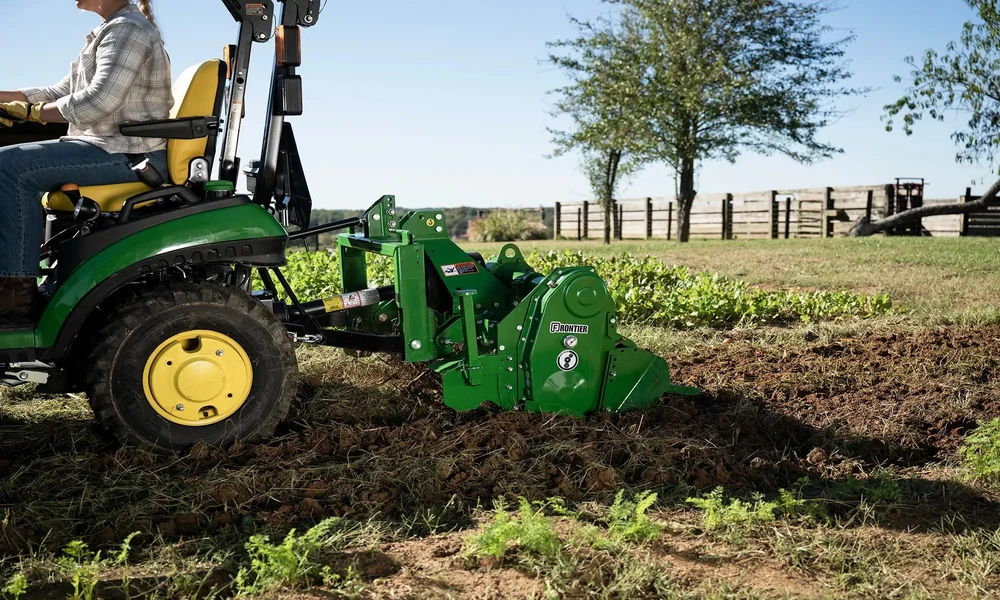
Horsepower needs vary considerably depending on acreage and the type of work planned. Small operations under ten acres often manage well with 20 to 40 horsepower, while medium-sized farms may need 40 to 100 horsepower to handle tillage, mowing, and loader work efficiently. Larger row-crop operations frequently require well over 100 horsepower to run heavier implements. Rather than relying on acreage alone, it helps to identify the most demanding implement planned for use and size the tractor around that requirement, adding a reasonable power buffer.
Considering Tractor Size and Manoeuvrability
A tractor that is too large can struggle in tight spaces such as orchards, greenhouses, or narrow rows, while one that is too small may lack the stability and traction needed for open fieldwork. Compact tractors suit smaller properties and specialised tasks, utility tractors offer a versatile middle ground, and larger standard tractors are built for extensive open-field operations. Considering the farm’s layout and terrain alongside horsepower ensures the tractor is genuinely practical for daily use.
Evaluating Attachments and Hydraulic Capacity
The tractor’s usefulness often depends as much on its compatibility with attachments as on its raw power. Checking hydraulic flow, lift capacity, and PTO specifications against the implements planned for use, such as loaders, tillers, or mowers, prevents costly mismatches after purchase. Buying a tractor and loader from the same manufacturer is often recommended, since compatibility between components tends to be more reliable and easier to service.
Weighing New Versus Used, and Setting a Budget
A new tractor offers modern features, full warranty coverage, and better fuel efficiency, but comes at a significantly higher price than a used model. A well-maintained used tractor can offer meaningful savings, provided its hours of use, service history, and general condition are carefully reviewed before purchase. Setting a realistic budget that includes financing costs, insurance, and ongoing maintenance, not just the purchase price, helps avoid financial strain after the sale is complete.
Conclusion
Selecting the right tractor comes down to matching horsepower, size, and attachment compatibility to the specific demands of the farming operation, then weighing those needs against a realistic budget. Rushing into a purchase based on price or brand loyalty alone often leads to a tractor that underperforms or sits underused. Carefully considering these factors can help farmers choose a tractor that effectively meets their needs and remains useful on the farm for many years.