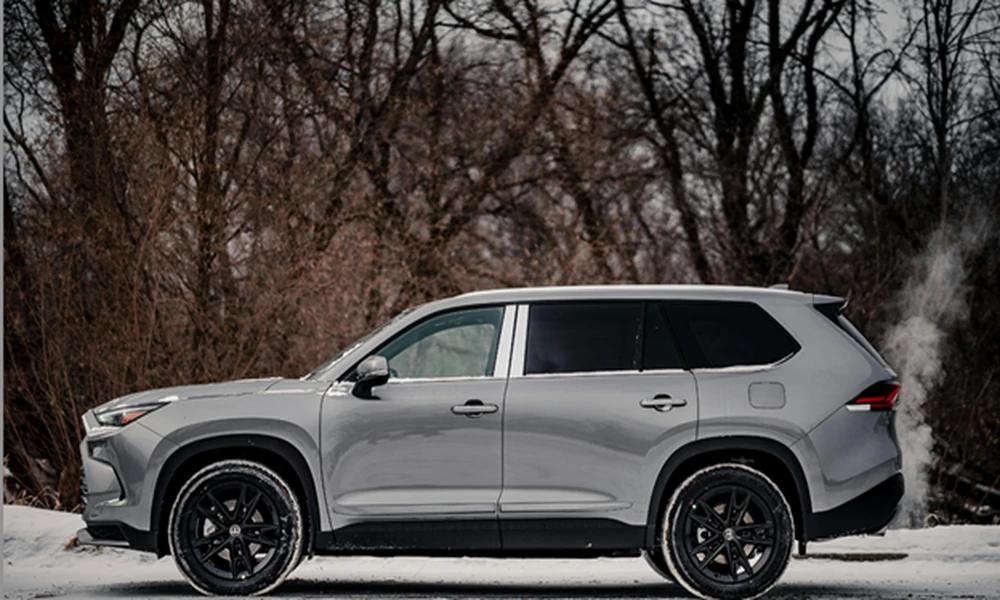
When winter arrives and covers the roads in snow and ice, your high-end SUV feels like a protective fortress. Vehicles like the Jeep Cherokee or premium family crossovers give moms and parents an incredible sense of confidence. You know your vehicle is heavy, elevated, and engineered to keep your kids safe during chaotic winter school runs and weekend mountain ski trips.
However, while you sit comfortably inside a heated cabin with steering wheel warmers on, a silent battle is happening underneath your feet. Extreme freezing temperatures place immense, invisible stress on your SUV’s drivetrain-the complex system of gears, shafts, and joints that transfers power from the engine to your wheels. To ensure your family’s mobile sanctuary never leaves you stranded in a blizzard, here are 7 ways freezing winter weather directly impacts your SUV’s drivetrain.
1. Thickened Fluids Lead to Sluggish Shifting
Just like maple syrup in the refrigerator, automotive fluids thicken dramatically when the temperature drops below freezing. Your transmission fluid, differential gear oil, and transfer case lubricants lose their ability to flow freely when cold. During the first few miles of your morning drive, you might notice your SUV hesitates to change gears or shifts with a harsh, unexpected jerk. This happens because the thick fluid can’t build up hydraulic pressure quickly enough, forcing internal components to work much harder.
2. Shrinking Rubber Seals Cause Hidden Leaks
Extreme cold causes materials to contract, and the rubber and silicone gaskets protecting your drivetrain are highly vulnerable to this thermal shrinking. When these seals lose their elasticity in sub-zero weather, microscopic gaps can form. This allows vital fluids to seep out slowly. Because high-end SUVs are heavily insulated, you won’t smell or feel a minor fluid leak while driving. Keeping an eye on your driveway for red or dark amber puddles is essential. Protecting a complex Denver SUV transmission from running dry during a brutal cold snap requires catching these minor winter seal leaks before they turn into major component failures.
3. Increased Workload on the AWD/4WD Transfer Case
Most family SUVs feature sophisticated automatic All-Wheel Drive (AWD) or Four-Wheel Drive (4WD) systems. On snowy roads, these systems constantly route power back and forth between the front and rear wheels to keep your vehicle tracking straight. The heart of this system is the transfer case. In the winter, the transfer case works ten times harder than it does in the summer. When combined with freezing cold internal gear oil, this continuous cycling creates massive internal friction and accelerates mechanical wear.
4. Moisture Buildup from Short Family Trips
If your winter driving consists mostly of quick errands-driving two miles to the elementary school, stopping at the grocery store, and heading home-your SUV’s drivetrain never reaches its optimal operating temperature. When a vehicle warms up slightly and cools down rapidly in freezing air, condensation forms inside the transmission and differentials. Without a long highway drive to burn off this moisture, water mixes with the oil, creating a milky sludge that destroys the fluid’s ability to protect heavy moving gears.
5. Shock Loads from Sudden Wheel Spin on Ice
One of the most violent experiences for an SUV’s drivetrain occurs when you lose traction on a patch of ice. It is a natural reflex to press the gas pedal when the wheels spin. However, when the spinning tire suddenly slides off the ice and grips dry pavement, it sends a massive, instantaneous shockwave through the axles, differentials, and transmission. This sudden “shock load” can chip gear teeth or snap axle shafts instantly, especially when the metal components are already cold and brittle.
6. Brittle CV Boots and Stiff Joints
Your SUV utilizes Constant Velocity (CV) joints to transfer power to the wheels while allowing the suspension to move and the front wheels to steer. These joints are packed with grease and sealed inside flexible rubber boots. Freezing temperatures make these rubber boots stiff and brittle. If you steer through heavy, frozen snowbanks at the edge of a parking lot, the rigid rubber can crack open. Once a boot tears, the protective grease flies out, and salty, frozen road slush enters the joint, causing it to wear out rapidly.
7. Electronic Sensor and Computer Communication Lag
Modern high-end SUVs are essentially computers on wheels. Your drivetrain relies on a network of electronic sensors to manage traction control, stability assistance, and electronic gear shifting. Extreme cold saps battery voltage and can cause electronic sensors to lag or send erratic data to the vehicle’s central computer. This can lead to your dashboard lighting up like a Christmas tree with warning lights or cause the vehicle to hesitate when shifting power to the wheels during a slippery turn.
Your luxury SUV is designed to handle winter weather, but it requires a little extra grace and attention when temperatures plummet. Giving your vehicle a few minutes to gently warm up before driving, avoiding sudden acceleration on icy patches, and ensuring your fluids are fresh will protect your drivetrain. Taking these small precautions ensures your vehicle remains the safe, dependable sanctuary your family relies on all winter long.