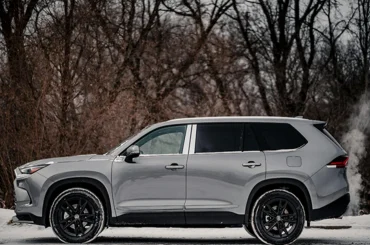

Navigating Singapore’s automobile market requires a sharp eye for numbers and a solid grasp of financial mechanics. High Certificate of Entitlement (COE) premiums, open market values (OMV), and strict financing limits make purchasing a personal vehicle a significant financial commitment. Many buyers make the mistake of focusing solely on the sticker price listed in dealership windows, overlooking how underlying financial variables shape total ownership costs over time.
To identify genuine car deals in Singapore, evaluate how COE cycles, loan tenure lengths, and annual depreciation rates interact. A seemingly expensive luxury vehicle might actually offer better annual financial efficiency than an entry-level model when you calculate its residual value correctly.
Decoding the COE Factor and Market Timing
The Certificate of Entitlement grants drivers the right to register and operate a vehicle on Singapore roads for ten years. COE premiums fluctuate based on market demand and quota supply, impacting the total purchase price of every vehicle category dramatically.
When COE premiums rise, the proportion of the vehicle’s price tied directly to paper value increases. Understanding this relationship helps you evaluate different market scenarios:
- High COE Market Phases – Inflate initial purchase prices, but provide a higher paper rebate value if you deregister or export the car before the ten-year period expires.
- Low COE Market Phases – Lower upfront entry costs, but increases the proportional impact of vehicle depreciation over your ownership tenure.
- Category A vs Category B Premiums – Shifts overall affordability, encouraging buyers to compare engine capacities and power outputs carefully across equivalent models.
- COE Renewal Decisions – Allows owners to extend vehicle usage by paying a Prevailing Quota Premium (PQP), effectively altering long-term annual depreciation projections.
Evaluating prevailing COE trends allows you to time your purchase strategically, ensuring that you lock in favourable paper value relative to your total capital outlay.
Calculating Annual Depreciation: The Real Metric of Ownership Cost
Focusing exclusively on total purchase price often distorts your perception of actual vehicle affordability. Financial experts analyse vehicle value through annual depreciation-the exact amount of value a vehicle loses each year over its ten-year lifespan.
Calculate annual depreciation by subtracting the car’s minimum scrap value (Preferential Additional Registration Fee plus COE rebate) from its total on-the-road price, then dividing that figure by its remaining operational years. Premium vehicles with high OMV figures retain strong scrap values, which effectively lowers their yearly depreciation rates.
For instance, investing in a high-spec Toyota Alphard hybrid delivers exceptional long-term financial efficiency. Premium luxury MPVs maintain high resale values and lower fuel expenses due to advanced hybrid efficiency, making their annual depreciation surprisingly competitive compared to standard petrol vehicles.
The Financial Tug-of-War: Loan Tenure vs Total Interest Accumulated
Monetary Authority of Singapore (MAS) regulations cap car loans at 60% or 70% of the purchase price, depending on the vehicle’s OMV, with a maximum repayment tenure of seven years. Selecting your loan tenure shapes your monthly cash flow and cumulative borrowing expenses directly.
Opting for a longer seven-year tenure reduces your monthly instalment payments, making high-end vehicles feel immediately accessible. However, longer repayment periods accrue significantly more interest over time, quietly raising your total expenditure and diluting the true savings of competitive car deals in Singapore.
Conversely, choosing a shorter three- or five-year tenure increases your monthly outlay, but drastically reduces cumulative interest charges. Paying down your loan balance faster builds equity in your vehicle quicker, protecting you from negative equity situations if you decide to sell early.
Balancing Upfront Outlay against Long-Term Equity
Securing optimal value requires balancing your initial down payment, monthly loan instalments, and projected resale value harmoniously. Bargain-priced vehicles with low OMV figures and high fuel consumption often result in high annual depreciation and expensive running costs.
Prioritising energy-efficient powertrains, strong resale demand, and transparent financing packages ensures that your vehicle retains solid market value. Investing in a reliable Toyota Alphard hybrid combines executive luxury with low fuel consumption, preserving your capital and delivering superior daily utility throughout your ownership period.
Examining transparent car deals in Singapore through the combined lens of COE value, loan interest, and depreciation guarantees a smart, financially sound purchase.
Make an Informed Automobile Investment Today
Understanding how COE trends, loan structures, and annual depreciation interact empowers you to make confident, financially sound vehicle choices. Evaluating total ownership costs rather than superficial list prices protects your wealth and elevates your driving experience.
Calculate your annual depreciation targets today, compare financing scenarios carefully, and choose a vehicle that offers maximum long-term value.
Frequently Asked Questions
How does OMV affect my maximum loan amount in Singapore?
If a vehicle’s OMV is $20,000 or less, you can borrow up to 70% of the purchase price; if the OMV exceeds $20,000, MAS caps your maximum loan at 60%.
Is it better to take a seven-year loan or a shorter loan tenure?
A shorter loan tenure increases monthly instalments but reduces total accumulated interest drastically, lowering your overall cost of ownership over time.
Why does a hybrid vehicle often offer better depreciation efficiency?
Hybrid vehicles combine low fuel consumption with strong second-hand demand, retaining higher resale value and lowering net annual depreciation costs.
For competitive car deals in Singapore, featuring premium parallel import models, comprehensive warranty packages, and expert advice tailored to your budget, contact Venture Cars today.