Brakes are essential for safe driving. A failing brake system can cause serious accidents. Knowing common brake problems helps owners act fast. Professional brake service provides solutions that restore safety. Service tiers help customers understand how problems are diagnosed and fixed. This article explains common brake failures and the services offered to fix them.
Worn Brake Pads and Their Replacement
Brake pads wear down from use and need regular replacement. When pads become thin, braking efficiency drops. This can lead to longer stopping distances and noise during braking. The first service tier includes inspecting brake pads for wear. If pads are thin or damaged, replacement is recommended. Replacing pads restores full braking power and eliminates noise. Professional technicians fit quality pads ensuring safe and quiet operation. Regular pad checks by the Brake Repair in Albany, OR prevent damage to other brake parts.
Brake Fluid Contamination and Flushing
Brake fluid is vital for brake system function. It transfers pressure from the pedal to the brakes. Over time brake fluid absorbs moisture which lowers performance. Contaminated fluid can cause spongy brakes and corrosion in the system. The second service tier offers brake fluid flushing and replacement. Flushing removes old fluid and replaces it with fresh fluid. This restores braking efficiency and prevents damage to internal components. Clean brake fluid is essential for safe and reliable braking.
Faulty Brake Rotors and Their Resurfacing or Replacement
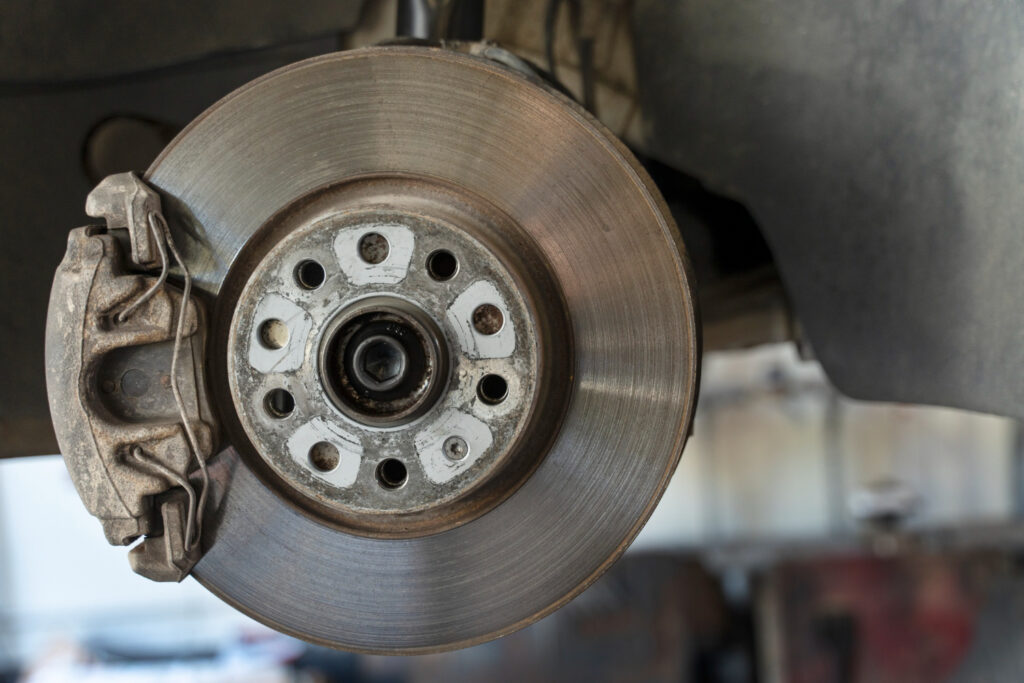
Brake rotors work with pads to stop the car. Over time rotors can warp or develop grooves. Warped rotors cause vibrations and reduce braking smoothness. The third service tier includes rotor inspection and correction. Minor rotor damage can be fixed by resurfacing which smooths the surface. Severely damaged rotors need replacement. Professional technicians measure rotor thickness and decide the best solution. Maintaining rotors ensures steady and effective braking performance.
Brake Line Leaks and Repairs
Brake lines carry fluid to the brakes. Leaks cause loss of brake pressure and can be dangerous. Signs include a soft brake pedal or fluid under the car. The fourth service tier focuses on brake line inspection and repair. Technicians locate leaks and replace damaged lines. They use high-quality parts to ensure system integrity. Fixing leaks restores brake pressure and ensures reliable stopping power. Prompt attention prevents brake failure and maintains safety.
Master Cylinder Malfunctions and Overhaul
The master cylinder controls brake fluid pressure. A malfunction here affects the entire braking system. Symptoms include pedal sinking or loss of brake feel. The fifth service tier covers master cylinder diagnosis and repair. Technicians test the master cylinder for leaks or internal damage. Repair or replacement is performed to restore proper brake pressure. Servicing this critical component ensures the brake system functions correctly in all conditions.
Conclusion
Brake system failures range from worn pads to master cylinder issues. Each problem requires specific attention and professional repair. Service tiers provide a clear pathway from basic inspections to advanced repairs. Timely brake pad replacement, fluid flushing, rotor care, line repairs, and master cylinder servicing keep brakes safe and effective. Understanding these common failures helps owners choose the right service level. Professional brake care ensures reliable stopping power and road safety.